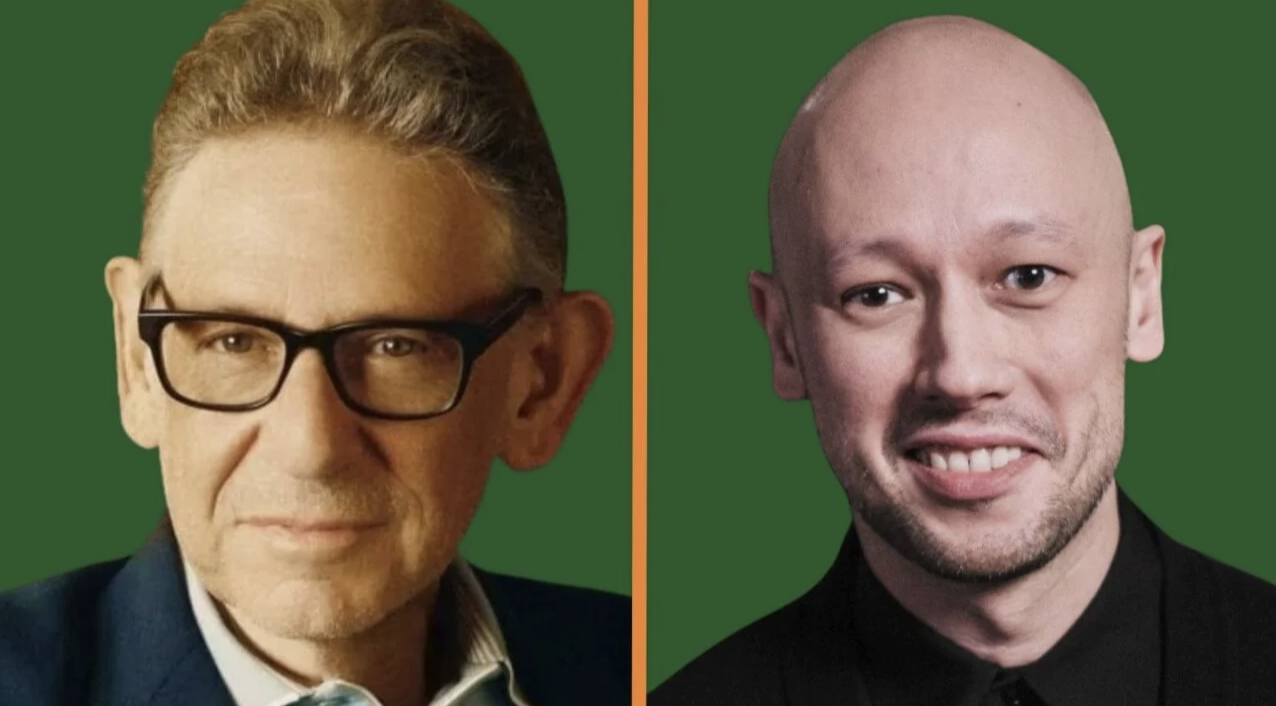
Sir Lucian Grainge and Alex Norström. Photo Credit: musicbusinessworldwide.com
If you want to know what the future of the music industry looks like, ignore the courtroom lawsuits for a second and look closely at what happened at Spotify’s 2026 Investor Day.
Streaming giant Spotify and Universal Music Group have struck a historic, first-of-its-kind licensing agreement that will allow Premium subscribers to create AI-powered song covers and remixes using catalog tracks from participating artists. Instead of fighting the tidal wave of rogue AI derivatives flooding social media, the world’s biggest streaming platform and the world’s largest music rights company are building a digital wall around it—and charging fans a monthly fee for the privilege of entering.
The tool will launch as a paid Premium add-on tier, positioning AI generation not as a threat to copyright, but as a premium “superfan” monetization tool. Wall Street instantly validated the strategy, sending Spotify shares surging up to 16 percent following the presentation.
The Architecture of the ‘Walled Garden’
For the past two years, Spotify’s executive team has been teasing this infrastructure. Back in February, Co-CEO Gustav Söderström openly admitted to analysts that the generative tech was completely built and ready to deploy, but was being held hostage by “the absence of a rights framework.”
By locking in UMG, that legal framework has finally been secured across both recorded music and publishing. The blueprint relies on a highly calculated, defensive framework:
- Strictly Opt-In: The tool will only function on tracks where the individual artist and songwriter have explicitly consented to participate. While UMG’s roster boasts titans like Taylor Swift, Drake, and Billie Eilish, none have been confirmed for launch.
- The Platform Lock: Borrowing from the strict “walled garden” model UMG pioneered during its settlement with AI startup Udio, the resulting AI-generated covers and remixes will live entirely within Spotify. Users can create and play them, but they cannot download the audio files or distribute them outside the ecosystem.
- Upstream Monetization: Instead of playing whack-a-mole with illegal, user-uploaded AI tracks after they hit the platform, the rights are cleared at the source. Revenue from the paid add-on tier will flow straight into a structured split between Spotify, the labels, the artists, and the publishers.
Monetizing the Threat
The strategic pivot here is pure business genius. For months, independent artists and legacy creators have been sounding the alarm on generative AI spamming DSPs. Just last week, producer Jack Antonoff made headlines calling AI music prompters “godless whores,” while artists like Billy Corgan have openly vowed never to touch the technology.
But by framing this tool strictly around “consent, credit, and compensation,” UMG CEO Sir Lucian Grainge is attempting to turn consumer behavior into a corporate cash cow. Rather than letting rogue startups like Suno and Udio capture the market value of fan engagement, Spotify and UMG are turning the listener into a paying creator.
The unresolved friction point, as always, is the execution of the payout split. Songwriters have historically been handed the thinnest slice of the streaming economy. Whether this new generative add-on tier fixes that imbalance or simply stacks another opaque corporate line item on top of it is a question neither company is ready to answer. For now, Spotify has proved that the best way to handle the AI threat isn’t to ban it—it’s to put it behind a paywall.
About the Author