
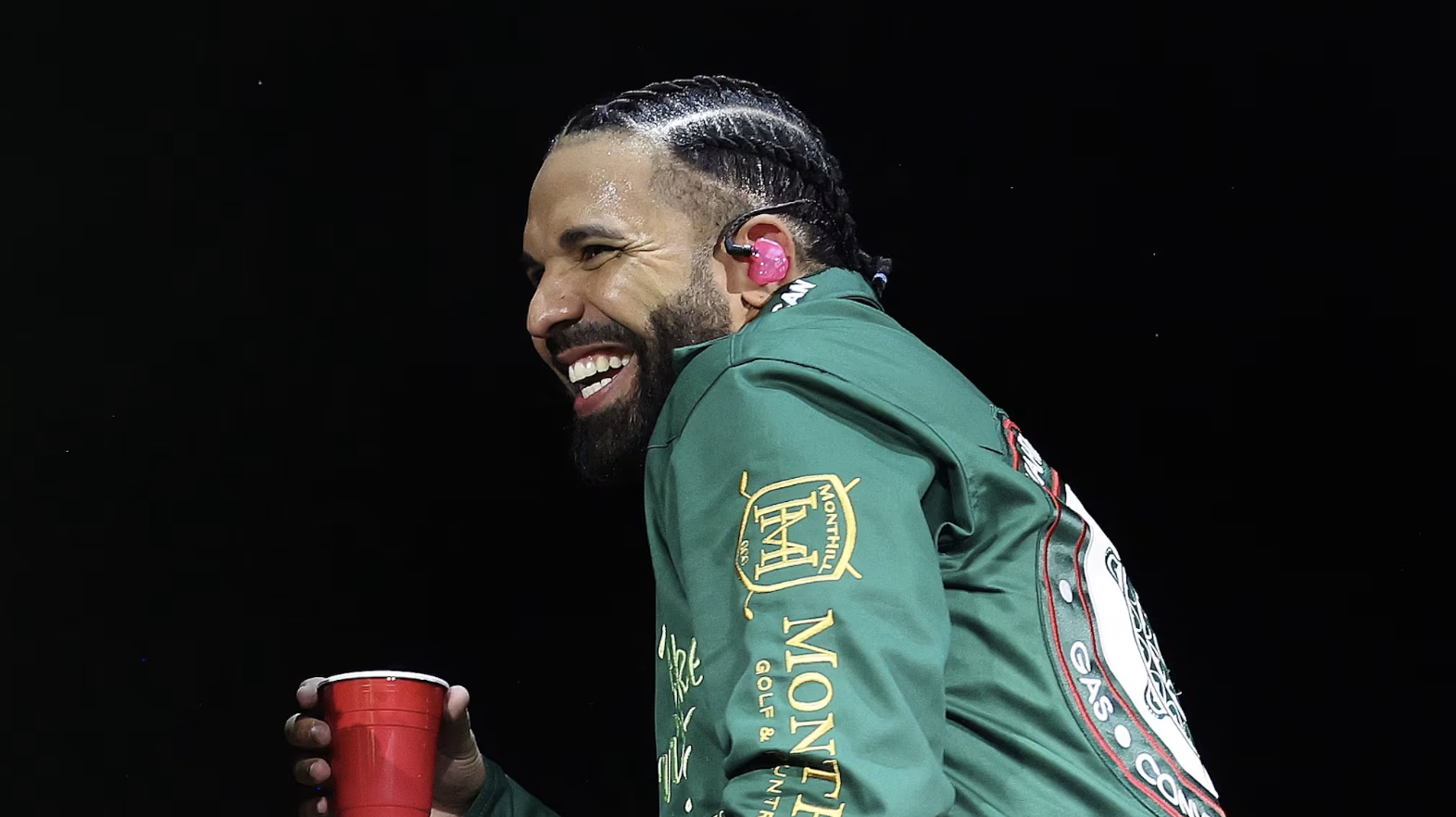
Simone Joyner/Getty Images for ABA
The music industry is currently witnessing an unprecedented data surge. On May 15, Drake dropped a staggering three-album rollout—Iceman, Maid of Honour, and Habibti—simultaneously. Within 24 hours, the Toronto superstar shattered global streaming records across Apple Music, Amazon Music, and Spotify, positioning himself to potentially sweep the top three spots on the Billboard 200 chart.
But behind the historic numbers lies a fascinating moment of computational friction. The massive rollout briefly broke the tracking infrastructure of the world’s largest streaming platform, revealing just how volatile digital music data can be under extreme demand.
The 24-Hour Global Influx
The sheer scale of the trilogy’s debut illustrates the current borderless reach of modern hip-hop. Drake’s rollout dominated multiple competing platforms at a scale unseen so far this year.
- Amazon Music: Iceman secured the biggest 24-hour streaming debut for a hip-hop album internationally in 2026. Combined, the three projects claimed the biggest first-day global streaming debut for any artist on the platform this year.
- Apple Music: Iceman captured the number one spot on the album charts in 79 countries, including the United States, Canada, the United Kingdom, France, South Africa, and Mainland China. Meanwhile, Maid of Honour and Habibti secured top-10 positions in 75 and 58 countries, respectively, driving an 1100 percent spike in simultaneous listeners for the artist.
The Instagram Deletion and the Manual Glitch
The most compelling narrative of the release unfolded on Spotify. The platform initially took to Instagram to announce that Drake had pulled off a clean sweep: becoming the most-streamed artist of the year in a single day, while Iceman became the top album and “Make Them Cry” became the highest-streamed song of 2026 so far.
Shortly after posting, Spotify abruptly deleted the announcement. The platform later clarified via social media that their initial stream review process had been handled manually, causing data from two entirely different album tracks to be accidentally combined.
While Spotify corrected the error and confirmed that Drake still firmly holds the records for most-streamed artist and album in a single day, the glitch highlights a hidden vulnerability in the music ecosystem. Even in an era dominated by automated algorithms and instant analytics, the final verification of record-breaking cultural moments still relies on human oversight.
As the trilogy continues to ignite intense debate across social platforms—fueled largely by Drake taking direct aim at various hip-hop rivals across all three projects—the tracking error serves as a stark reminder. In the modern streaming landscape, music is no longer just art; it is a high-stakes numbers game where a single manual miscalculation can distort the history of the global charts.
About the Author