Billboard.com
Taylor Swift is pushing back aggressively against a trademark lawsuit filed by cabaret performer Maren Flagg, arguing that the entertainer attempted to capitalize on the success of Swift’s album rather than protect an established brand.
The dispute centers on Swift’s album title, “The Life Of A Showgirl,” which Flagg claims is too close to her long-running Confessions Of A Showgirl trademark. Flagg, who has used the phrase for years across live performances, podcasts, writing and other projects, argues that Swift’s massive global reach has overwhelmed her identity in search results and online conversation, creating what trademark law describes as “reverse confusion.”
But Swift’s legal team is portraying the situation very differently. In a new court filing, the pop star’s attorneys claim Flagg actively leaned into the similarity between the two names after Swift announced the album, allegedly using references to the record across social media and promotional materials to boost attention around her own cabaret brand.
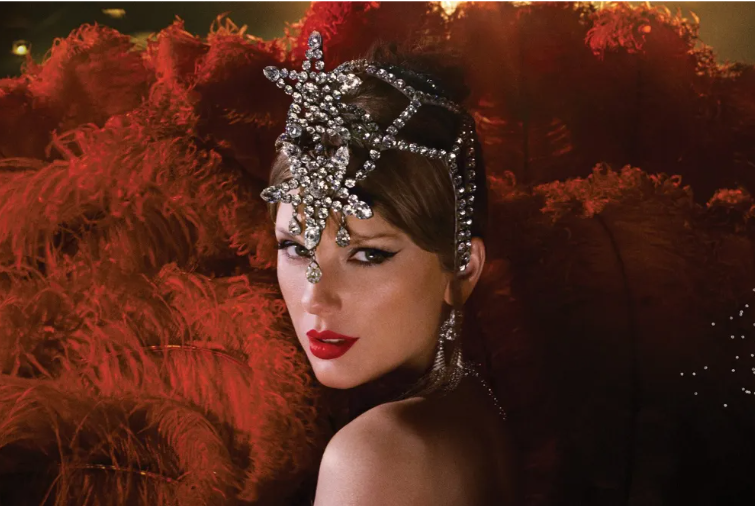
According to the filing, Swift’s lawyers say Flagg launched content echoing the album’s visual style and repeatedly used Swift-related branding and music in online promotion. Rather than demonstrating reputational harm, they argue, those actions suggest Flagg saw an opportunity to benefit from the association.
The legal battle escalated after the United States Patent and Trademark Office reportedly paused trademark proceedings connected to Swift’s album branding due to possible consumer confusion with Flagg’s existing registration. Flagg later cited that suspension as evidence supporting her claims and is now seeking both damages and an injunction that would block continued use of The Life Of A Showgirl branding.
Such a ruling could create a logistical nightmare for Swift’s business empire. Because the album title appears across merchandise, promotional campaigns and physical releases, an injunction could potentially force changes extending far beyond streaming platforms.
Swift’s attorneys, however, maintain that the titles are clearly distinguishable and argue that the album and its related branding qualify as expressive artistic works protected under the First Amendment. They also insist it is unreasonable to believe consumers would associate Flagg’s niche cabaret project with one of the world’s most commercially dominant pop stars.
About the Author