Image source: Ideogram / The Rundown
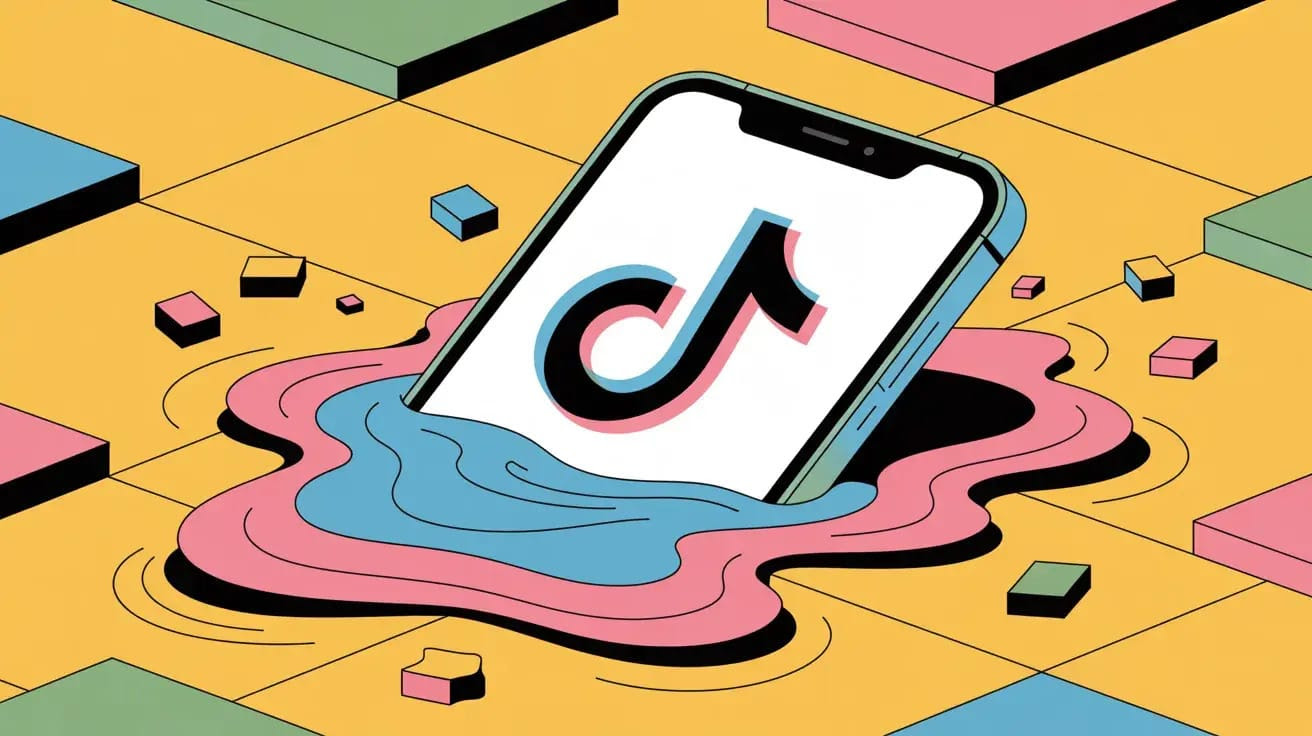
TikTok, the primary video-sharing engine for global music discovery, is facing its first major crisis under its newly formed U.S.-led joint venture. As the platform transitions to majority American ownership, a wave of “glitches” and censorship allegations is forcing the music industry to reconsider the reliability of its biggest promotional tool.
The Technical Barrier: Data Center “Power Outages”
TikTok confirmed that a recent surge in content disruption and account issues was caused by a power outage at a major data center. For artists and labels, this “infrastructure issue” represents a significant threat to viral momentum:
- Content Disruption: The glitches have interrupted the flow of video-sharing exactly when the platform is shifting its operational DNA to the U.S.
- Systemic Fragility: The “wave of glitches” following the ownership change suggests that the transition to American-led servers is causing a period of instability that can stall a song’s growth overnight.
The “Epstein” Glitch and Creative Censorship
A specific technical failure involving the name “Epstein” has raised alarms regarding keyword suppression.
- The Error: CNBC confirmed that messages containing the word “Epstein” triggered an error message, preventing the text from being sent.
- Industry Impact: As music frequently references current events—especially with the Department of Justice releasing new caches of Epstein files—the risk of “accidental” keyword flagging could stifle discussions, fan engagement, and even the sharing of lyrics that touch on sensitive social topics.
Political Suppression and Socially Conscious Music
The scrutiny has been amplified by California Gov. Gavin Newsom, whose office independently confirmed instances of suppressed content critical of President Trump.
The Risk for Artists: If the platform is found to be suppressing political positions or specific viewpoints, it creates a “chilled” environment for socially conscious music. For artists who use TikTok to break protest anthems or political commentary, the platform’s move toward “American ownership” may come with new, invisible content moderation hurdles.
About the Author