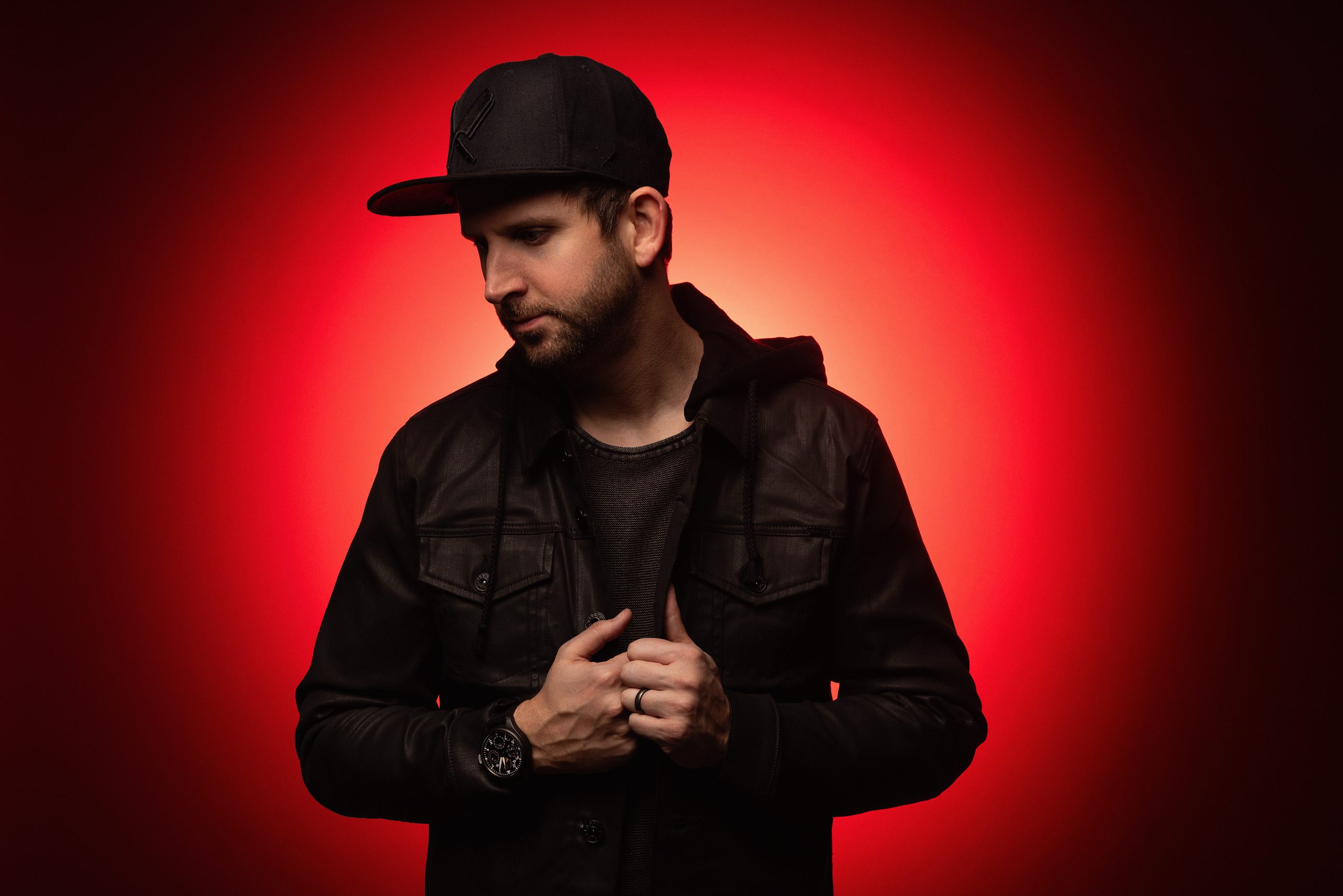
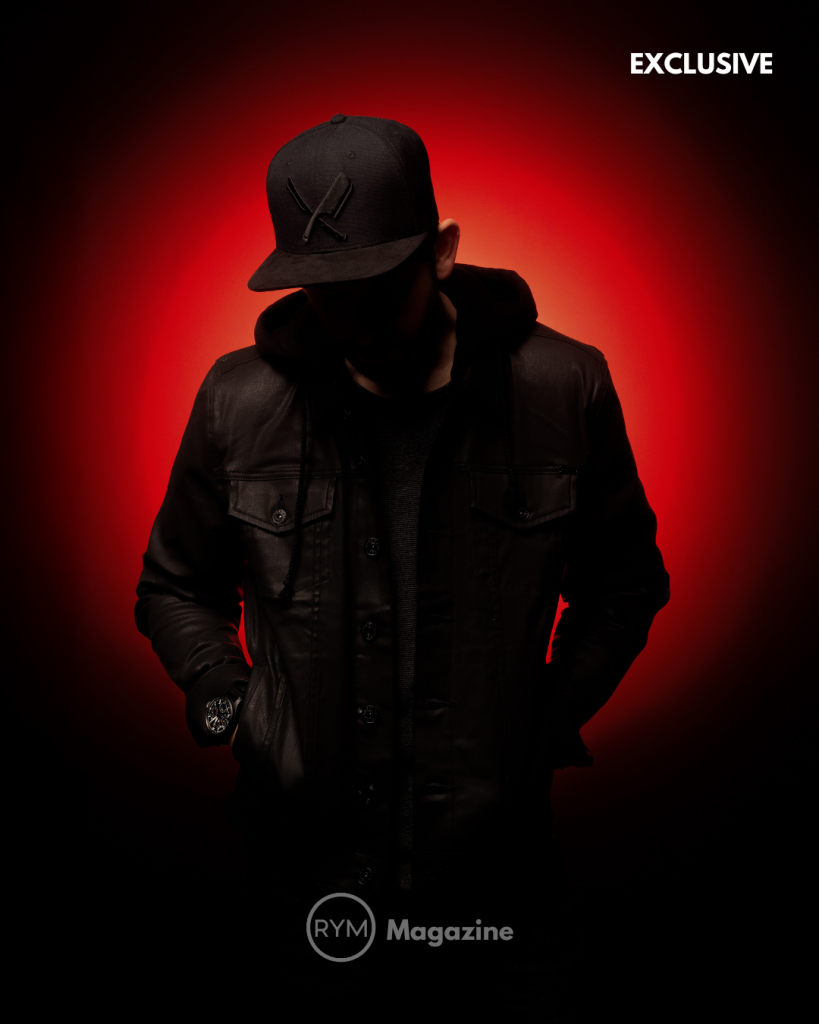
From a self-taught musician in Michigan to a global “stealth powerhouse” with over 100 billion lifetime streams and views, Tommee Profitt has engineered a career that is as strategically calculated as it is creatively explosive. Profitt operates at the highly valuable intersection of cinematic composition and mainstream music, establishing an empire built on a unique, recognizable sound that purposefully rejects the industry’s fickle trends. His is a cinematic aesthetic—a “cinematic twist”—that has translated into staggering commercial success, underpinning his over 300 sync placements in movie trailers, TV, and video games. | By Gustavo Martir M.A.| Photography By Rachel Deeb, Ryan Sims, & Mary Caroline Russell
The cornerstone of Profitt’s success lies in his philosophical opposition to transient pop culture, a stance he calls the “Profitt Paradox”. For Profitt, chasing the current sound is a losing proposition: “I think mainstream music trends come and go and change constantly. So the minute you think you’re making something that’s current it, it’s not anymore”5. He continues, “By the time it actually comes out, right, or within a month, it changes. So I think what’s interesting is I, I don’t really pay attention to what’s the current trend”6. Instead, his work is rooted in “timeless, iconic sound[s]”—the piano and the orchestra 7—elements that evoke a feeling that is “raw and organic and human”. This commitment to emotional, powerful music ensures it “always going to resonate with people if it’s emotional music”, making his orchestral work “very different than pop music, which comes and goes like the wind”.
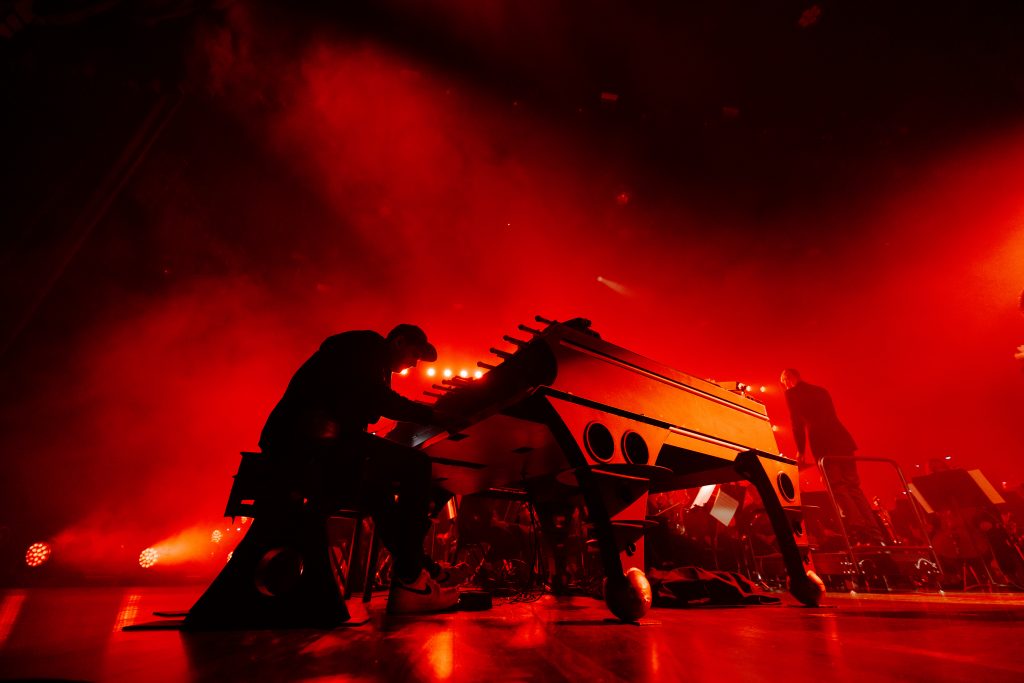
As a lifelong piano player , Profitt’s process is deeply hands-on, allowing him to control a vast digital orchestra at his fingertips. This is how he generates the massive sound that defines his style: by playing the parts himself while controlling extensive sound libraries of strings, brass, choirs, and percussion. His signature technique involves dramatic layering, sometimes stacking “200 tracks on a song easily”, all in service of expressing a “large dynamic” in the music. The cinematic quality is not an afterthought, but an essential starting point: “I start introducing cinematic elements right away… That’s just what I like to make. It’s what naturally comes out of me”. He also notes the difference between creating score and a song with lyrics: “In score, I mean, there’s no song structure in the same way, and it doesn’t matter how long it is, you’re really creating a cue to express an emotion to whatever the scene is”. This freedom from traditional structure allows for cues that can be as simple as “a drone of one note for a minute and a half, right?”.
This proprietary production style, which delivers “clarity, punch, and polish fast”, has now been commoditized with the launch of the Epicizer Plugin. Profitt’s decision to monetize his mixing process came from a desire to address the constant stream of questions about his sound and to help the next generation of producers. The plugin is designed to instantly deliver his signature “big and bold” sound through a multi-layer process simplified into a single tool. Profitt sees this as a philanthropic act of “giving back and to help people” to the community that inspired him: “I wanna inspire other people, the next generation to do it the same way people have poured into me and shown me their tricks”.
Want to Read More? Click Here
About the Author